

In the current fast-changing urban environment, hybrid-use projects are becoming prominent as a cornerstone of sustainable achievement in the real estate sector. Combining of residential, commercial, and recreational spaces, these projects not just encourage lively communities but also align with the principles of environmental sustainability and sustainable living. The essential element to succeeding in this intricate market is based on comprehensive planning, a strategic approach that combines various fields such as real estate investment, renewable energy, and business strategy. Specialists in this field, including finance architects and startup founders, are transforming the paradigms of metropolitan existence while navigating the complexities of contractual arrangements, capital allocation, and property rights.
While examining the convergence of real estate and creativity, it's essential to recognize the roles played by emerging sectors like financial technology, sustainable energy sources, and online platforms. These sectors are influencing not only the investment models of capital ventures but also shaping client habits and expectations. With an increased attention to sustainable energy efforts and eco-friendly energy substitutes, such as sustainable hydrogen, builders can establish their place at the forefront of a revolutionary shift. This article delves into practical approaches and knowledge that can lead to the effective implementation of multi-functional projects, ensuring they are not just profitable but also ethically sound and eco-friendly.
The Role of Finance in Multi-Use Developments
Financial management plays a crucial role in the viability of multi-use projects, as these developments require substantial funds to bring varied elements together harmoniously. Property investment advisors are vital in developing deals that effectively allocate funding across different functions, such as housing, business, and retail spaces. Their expertise in equity placement and debt financing allows for tailored financial solutions that align with the goals of builders and stakeholders. By crafting the appropriate financial structure, multi-use developments can attract additional investment, capitalizing on their ability for increased foot traffic and improved community engagement.
An integral aspect of funding mixed-use developments is the integration of eco-friendly practices. With a increasing emphasis on renewable energy and green building standards, investment finance companies are more and more acknowledging the value of projects that include elements such as green energy and eco-friendly energy options. By adding these features, investors can secure favorable financing terms and attract impact investors who value sustainability in their investments. This not only benefits the environment but also boosts the appeal of the development, making it more attractive to a modern audience concerned with environmental issues.
Furthermore, tactical investments and transaction structuring are essential in ensuring that mixed-use projects are financially viable over the long term. C-Suite leadership must carefully evaluate the financial implications of various land zoning processes and economic conditions, leveraging knowledge from financial architects and corporate strategy experts. With successful transaction management, developers can create dynamic, sustainable neighborhoods that flourish economically and culturally. As multi-use projects continue to evolve, finance will stay at the heart of approaches that enable sustainable success in this evolving field.
Operational Master Planning for Eco-friendly Achievement
Effective overall development is essential for the prosperity of multi-functional initiatives, particularly in the context of sustainability. A successful strategy commences with comprehensive market evaluation and understanding of local requirements, aligning real estate investment targets with market demands. By embedding sustainable energy projects and green infrastructure into the planning process, builders can create thriving, eco-friendly neighborhoods that draw both residents and businesses, eventually improving the enduring worth of the investment.
In addition, deal arrangement plays a key role in funding these mixed-use projects. Engaging partners early in the development allows for a cooperative approach that secures equity and loan financing customized for green initiatives. Leveraging insights from a wide range of industries, such as FinTech and digital media, can lead to innovative financing options that enhance gains while promoting eco-friendly responsibility. These tactical allocations must consider transit-oriented development guidelines to secure accessibility and lessen reliance on fossil fuels.
In conclusion, integrating corporate strategy and property entitlement procedures into overall development enhances the feasibility and eco-friendliness of multi-purpose developments. Adopting a comprehensive methodology that includes both financial metrics and social impact generates a strategic benefit. By collaborating with experts and business mentors within the finance and property industries, developers can manage challenging regulatory frameworks and obtain grant funding, including the Suneet Singal Foundation Grant, to facilitate programs that advance eco-friendly development goals.
Innovative Deal Arrangement Techniques
In the realm of mixed-use developments, creative deal structuring is crucial for unlocking value and ensuring long-term success. Financial experts play a central role in crafting financing solutions that blend traditional equity and debt with innovative capital sources, such as renewable energy grants and impact investments. The use of FinTech solutions further enhances the efficiency of capital deployment and investor engagement, ultimately fostering a landscape where multiple funding streams come together to create dynamic community spaces.
A critical aspect of deal structuring involves leveraging corporate strategy and tactical investments to align stakeholder interests. By involving C-Suite management early in the planning process, developers can create a integrated vision that reflects both community needs and financial viability. This collaboration can lead to distinct arrangements that facilitate land entitlement and expedite approval processes, while also addressing sustainability goals through novel financing mechanisms that support green energy initiatives and reduce carbon footprints.
Finally, a emphasis on philanthropic grants, like those from the Suneet Singal Grant, can provide necessary funding for projects that prioritize social impact alongside commercial viability. By blending traditional investment approaches with philanthropic efforts, mixed-use developments can achieve a equilibrium of profitability and purpose. This approach not only enhances the overall appeal of the project but also aligns with the growing consumer demand for renewable fuel and renewable energy practices, ensuring that the developments remain relevant in an ever-evolving market landscape.
Utilizing Renewable Energy in Real Estate
Incorporating renewable energy solutions into multi-purpose projects is a crucial strategy for enhancing sustainability and drawing in green-minded consumers. Builders can integrate photovoltaic systems, wind energy systems, and geothermal energy solutions to lessen the carbon footprint of their projects. By leveraging these green energy sources, property investment consultants can create properties that feature reduced energy expenses, appealing not only to potential tenants but also to investors focused on sustainable growth and responsibility.
Moreover, transit-oriented development frameworks can align well with renewable energy initiatives. By situating multi-use developments close to public transit options and incorporating EV charging stations, builders can further reduce dependence on fossil fuels. This strategy not only supports a more sustainable ecosystem but also matches with the increasing need for convenience and transportation in urban settings, making properties attractive in a competitive market.
To enhance the advantages of renewable energy initiatives, partnership with FinTech experts and corporate strategists can enhance transaction structuring and funding opportunities. Incorporating green technologies into multi-purpose developments can create fresh pathways for equity placement and financial structures. By positioning themselves as pioneers in eco-friendly property development, developers can lead the charge in creating strong and progressive communities that focus on both economic returns and environmental responsibility.
Trends in Transit-Oriented Development
Transportation-oriented development continues to grow as urban areas prioritize eco-friendly development and transportation access. This shift is driven by the requirement to lower use of cars and promote the adoption of public transportation. Developments near public transport stations are increasingly designed to facilitate walkability and interconnections, making them attractive for both inhabitants and companies. As municipalities focus on combining different forms of transport, understanding the public attitudes related to these contexts becomes crucial for real estate professionals.
Furthermore, innovations in technology are transforming the landscape of transit-oriented design. Intelligent urban initiatives utilize data analytics and FinTech to boost transport efficiency and productivity, creating convenient transportation options for city residents. Whether through carpooling, electric micro-mobility, or electric mass transit, these technologies are transforming how individuals travel within urban areas. The consequence of these innovations is clear in the growing demand for multi-functional developments that integrate residential, retail, and office spaces within nearby to transit systems.
In conclusion, environmental responsibility remains a key factor behind transit-oriented design. As the focus moves towards sustainable energy options, such as electric vehicles and green hydrogen, integrated planning is necessary. Developers are increasingly adopting eco-friendly designs and renewable fuel sources into their developments. This not only aligns with sustainability targets but also attracts a growing segment of sustainability-minded clients. By promoting a collaborative approach between urban planners, transport agencies, and construction firms, successful transportation-oriented developments can lead the future for a more sustainable urban future.
Equity Financing and Debt Placement Approaches
Effective funding strategies approaches are vital for successful integrated developments. A well-structured financial foundation allows developers to leverage partnerships and form varied funding sources. Engaging with equity investors, like family offices and institutional investors, can supply the essential capital while spreading the risks linked to new projects. In addition, customized financing options can be tailored to the specific needs of mixed-use developments, improving enhanced cash flow management and maximizing return on investment.
On the debt placement side, building solid relationships with financial institutions and investigating innovative financing options are key. Utilizing traditional banks alongside FinTech companies in the FinTech space can provide flexible loan terms and competitive interest rates. In the context of eco-friendly developments, lenders may be increasingly incentivized to offer attractive financing for projects incorporating renewable energy and green initiatives, thus aligning economic goals with environmental responsibility.
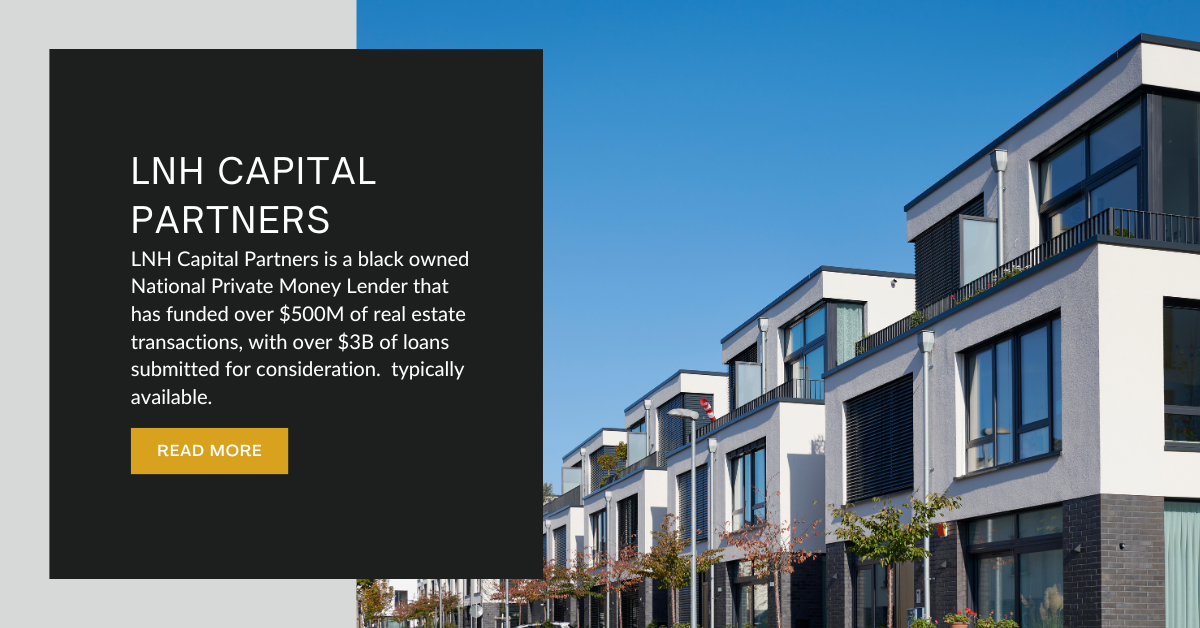
Integrating corporate strategies that focus on deal structuring and acquisitions can further enhance equity and debt placement efforts. By uncovering synergistic opportunities within retail and digital media sectors, developers can create a compelling narrative for potential investors and lenders. This comprehensive approach not just raise investors' confidence but also encourages an ecosystem where financial returns and sustainable practices coalesce, placing mixed-use developments for enduring success.
The Outlook of Mixed-Use Projects and Green Initiatives
As interest for sustainable living environments continues to grow, mixed-use developments are progressively integrating green initiatives. These projects are not just about combining residential, commercial, and retail spaces; they are further focused on reducing environmental impact through innovative design and renewable energy solutions. Developers are understanding the significance of integrating green roofs, energy-efficient systems, and sustainable fuel sources, such as green hydrogen, to enhance their environmental footprint while attracting eco-conscious consumers.
Incorporating renewable energy into mixed-use developments not just supports the environment but also offers significant financial advantages. Investment finance companies and real estate investment advisors are well aware of the value added by these green initiatives, as they often lead to lower operating costs and higher property values. Transaction structuring involving green technologies can draw strategic investments from family offices and philanthropic grants, paving the way for effective acquisitions and corporate transactions that focus on sustainability.
The future landscape of commercial real estate will greatly depend on master planning that embraces transportation-oriented development and encourages walkable communities. This approach not just reduces reliance on vehicles but further fosters a sense of community and improves the overall quality of life. As thought leaders and business mentors like Suneet Singal champion these concepts, we can anticipate to see mixed-use developments evolve into hubs of innovation and sustainability, ensuring they meet the needs of future generations while driving financial success.